Pamela W. Holloway
 Today, Google introduced its updated and increasing virtual protection and citizenship curriculum called Be Internet Awesome. It is geared toward assisting college-aged youngsters in learning to navigate the net responsibly. First delivered four years ago, the curriculum now reaches 30 nations and millions of youngsters, according to Google. In the replacement rolling out nowadays, Google has delivered nearly a dozen more lessons for mothers and fathers, as well as educators, that tackle online gaming, engines like Google, video intake, online empathy, cyberbullying, and more.
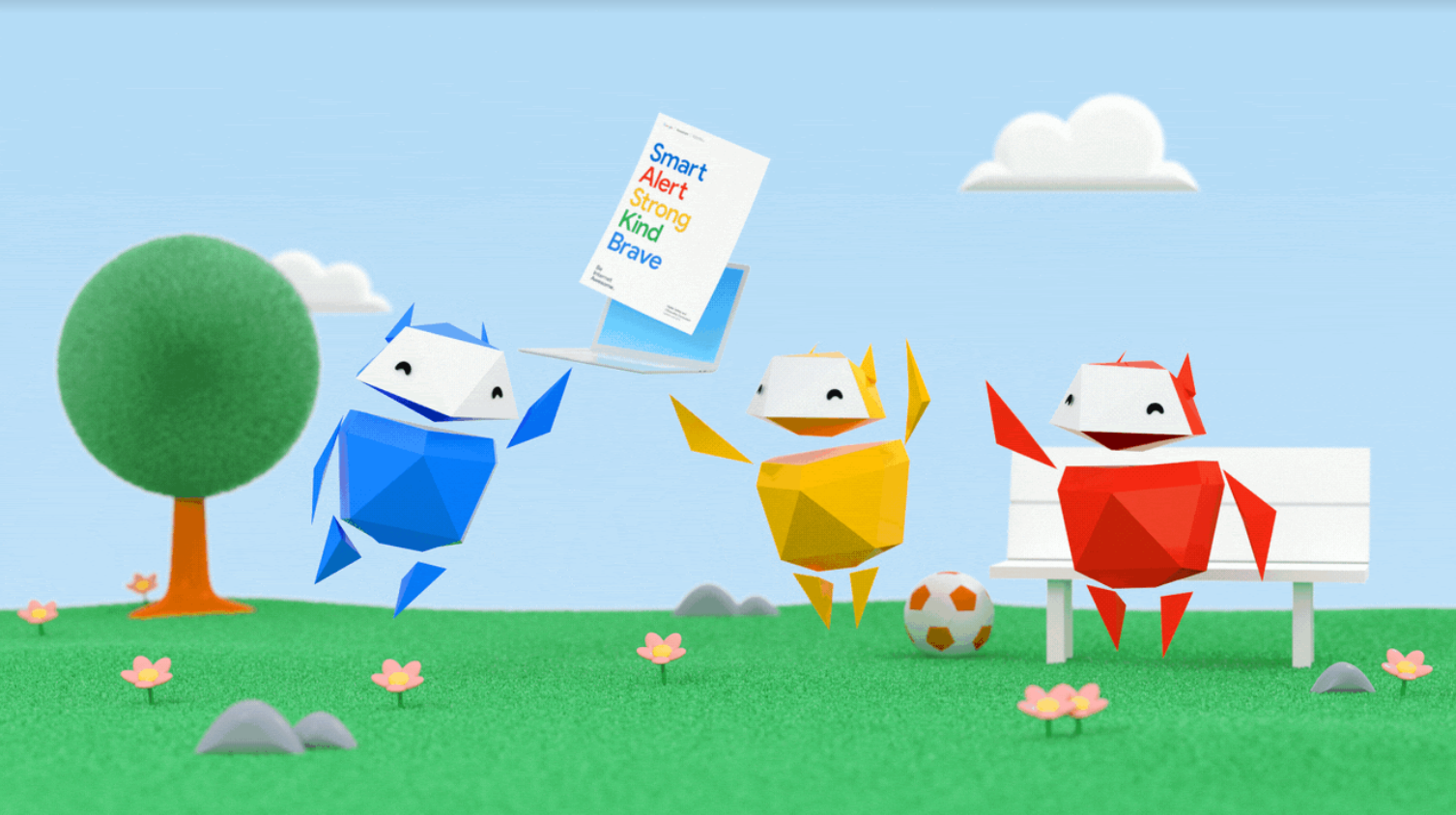
The organization says it had commissioned the University of New Hampshire’s Crimes Against Children Research Center to evaluate its present application, which last received a significant update in 2019. During that time, it delivered classes that focused on teaching children to identify disinformation and faux information.
The review determined that software did assist youngsters in areas like managing cyberbullying, online civility, and website protection; however, it recommended enhancements in other areas.
Google then partnered with online safety professionals like the Committee for Children and The Net Safety Collaborative to revise its teaching materials. As a result, it now has instructions tailored to precise age groups and grade levels and has expanded its array of topics and set of circles of relative sources.
The new training encompasses guidance around online gaming, search engines, and video intake, in addition to social-emotional getting-to-know classes geared toward assisting college students in addressing cyberbullying and online harassment.
For example, a number of the new training talks about search media literacy — learning how to use search engines like Google and Yahoo like Google’s and evaluating the links and effects it returns as a part of an update to the program’s current media literacy materials.
Other lessons deal with troubles like working towards empathy online, showing kindness, what to do when you see something upsetting or inappropriate, and cyberbullying.
Concepts associated with online gaming are weaved into the new classes, too, as today, kids have many of their social interactions in online games, which frequently function as ways to interact with different gamers in real time and chat.
Here, children are supplied with ideas associated with confirming an online gamer’s identification—are they truly another youngster, for instance? The substances additionally provide an explanation for what form of private records should not be shared with humans online.
Among the brand new family assets, the updated curriculum now points parents to the recently launched online hub, Families. Google, which gives some guidelines and facts about tools to help households control their tech usage.
For example, Google is up to date with its Family Link app that allows dad and mom to set controls around which apps may be used and while, and consider activity reviews on display-time utilization. It also rolled out parental control capabilities on YouTube earlier this year, aimed toward households with tweens and young adults who are vintage for a YouTube Kids account. However, too young for an entirely unsupervised enjenjoymentoogle says the up-to-date curriculum is now available to parents, families, teachers, and educators through the Be Internet Awesome website.