Pamela W. Holloway
As the leaves turn to shades of amber and crimson, and the air becomes crisp with the promise of autumn, communities worldwide begin to prepare for one of the year’s most enchanting and eerie celebrations: Halloween. Among the myriad of festivities that mark this season, the Spooky Symphony stands out as a unique blend of classical music and Halloween-themed entertainment. This concert invites audiences to immerse themselves in a world where haunting melodies intertwine with the season’s spirit, creating an unforgettable experience that resonates with both young and old.
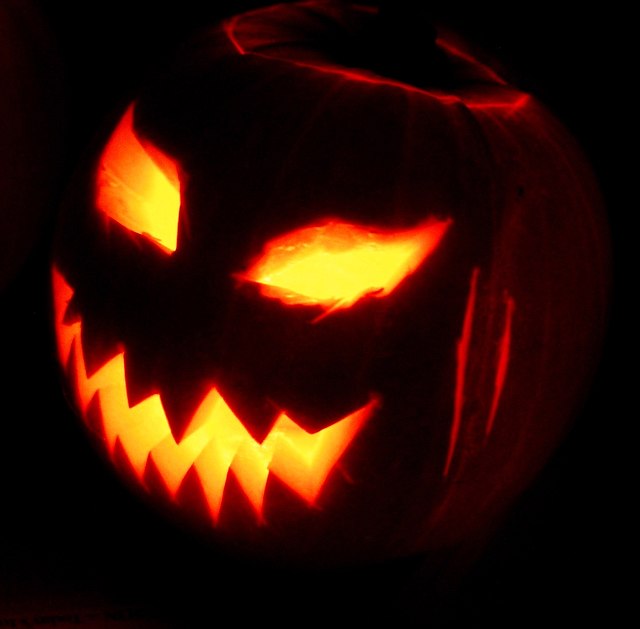
The Spooky Symphony is not merely a concert; it is a celebration of the macabre, a tribute to the art of storytelling through music, and an opportunity for families to come together in a festive atmosphere. The allure of the Spooky Symphony lies in its ability to evoke emotions that range from delight to fright. As orchestras perform pieces that have become synonymous with Halloween—think of the chilling strains of “Danse Macabre” by Camille Saint-Saëns or the eerie notes of “Night on Bald Mountain” by Modest Mussorgsky—audiences are transported into a realm where ghosts dance, and witches cackle.
This concert is designed to engage all senses, making it a perfect outing for those looking to embrace the spooky spirit of Halloween while enjoying the rich tapestry of orchestral music.
Key Takeaways
- Spooky Symphony is a Halloween concert that celebrates the spooky spirit of the holiday with music, special effects, and audience participation.
- Halloween music has a rich history and origins dating back to ancient Celtic traditions and has evolved into a diverse genre that includes spooky classics and modern hits.
- The Spooky Symphony lineup features classical and contemporary Halloween-themed music by talented musicians and special guest performers.
- The concert includes a costume contest and encourages audience participation, creating a fun and immersive experience for all attendees.
- Special effects and visuals enhance the spooky atmosphere of the concert, creating a hauntingly perfect setting for a Halloween celebration.
History and Origins of Halloween Music
The tradition of Halloween music has deep roots that can be traced back to ancient rituals and folklore. Historically, music has been pivotal in various cultures’ celebrations of death and the supernatural. In Celtic traditions, for instance, Samhain marked the end of the harvest season and the beginning of winter, when it was believed that the boundary between the living and the dead was blurred.
During this festival, music was used to ward off evil spirits and celebrate the cycle of life and death. Instruments like drums and flutes were common, creating rhythms that echoed through the night as communities gathered around bonfires. As time progressed, Halloween music evolved alongside cultural shifts and artistic movements.
The 19th century saw a surge in interest in ghost stories and supernatural themes, often accompanied by music that heightened the suspense and intrigue. Composers began to explore darker themes in their works, leading to pieces that would later become staples in Halloween celebrations. The emergence of classical compositions that evoke feelings of fear or eeriness laid the groundwork for modern Halloween concerts.
Works by composers such as Franz Liszt, with his “Totentanz,” and later film scores like John Williams’ “Halloween” theme, have solidified music’s role in shaping our understanding of Halloween’s haunting atmosphere.
The Spooky Symphony: Lineup and Performances
The Spooky Symphony features an eclectic lineup that showcases classical masterpieces and contemporary compositions, all designed to evoke the spirit of Halloween. Audiences can expect to hear iconic pieces such as Johann Sebastian Bach’s “Toccata and Fugue in D minor,” which has become synonymous with horror films and haunted houses alike. The dramatic organ chords create an immediate sense of foreboding, setting the stage for an evening filled with spine-tingling performances.
In addition to classical works, the concert often includes selections from popular culture that resonate with audiences of all ages. Themes from beloved films like “The Nightmare Before Christmas” or “Ghostbusters” are interwoven into the program, allowing families to connect with familiar melodies while experiencing the thrill of live orchestral music. The performances are typically enhanced by guest narrators who weave stories between pieces, adding context and engaging listeners further.
This combination of music and storytelling creates a dynamic atmosphere, with each note contributing to an overarching narrative that captivates the audience.
Costume Contest and Audience Participation
| Category | Metrics |
|---|---|
| Number of Participants | 50 |
| Number of Audience Members | 200 |
| Costume Contest Winner | Best Overall: “Pirate Captain” |
| Most Creative Costume | “Alien Astronaut” |
| Best Group Costume | “Superhero Squad” |
One of the most delightful aspects of the Spooky Symphony is its emphasis on audience participation, particularly through its highly anticipated costume contest. Attendees are encouraged to don their most creative costumes, transforming the concert hall into a vibrant tapestry of ghouls, goblins, witches, and whimsical characters. This interactive element enhances the festive atmosphere and fosters a sense of community among attendees who share a love for Halloween.
The costume contest typically features various categories, from the scariest costume to the most creative ensemble, with prizes awarded to winners in each category. This encourages families to engage in pre-concert preparations, sparking creativity and excitement as they plan their outfits. Seeing children dressed as their favorite monsters or adults embracing their inner ghosts adds more fun to the event.
Additionally, audience members may be invited to participate in sing-alongs or clapping along with certain pieces, further blurring the lines between performers and spectators.
Special Effects and Visuals
To elevate the experience beyond just music, the Spooky Symphony incorporates special effects and visuals that enhance the overall ambiance. Lighting is crucial in setting the mood; dimmed lights combined with flickering projections can create an otherworldly atmosphere reminiscent of classic horror films. Shadows dance across the stage as musicians perform, immersing audiences in a sensory experience transcending traditional concert settings.
Moreover, sound effects are often integrated into performances to heighten suspense and surprise. The sudden crash of thunder or the distant howl of a wolf can punctuate musical crescendos, drawing gasps from the audience. Some performances even include live actors who interact with musicians on stage, portraying characters from classic horror tales or folklore.
This theatrical element transforms the concert into a multi-dimensional experience where music, visuals, and storytelling converge seamlessly.
The Venue: A Hauntingly Perfect Setting
The choice of venue for the Spooky Symphony is integral to its success, as it must reflect the eerie yet enchanting spirit of Halloween. Many concerts are held in historic theaters or auditoriums known for their architectural beauty and atmospheric charm. These venues often boast intricate designs that evoke a sense of nostalgia and mystery—think ornate chandeliers casting a dim light over velvet seats or grand staircases leading into shadowy corners.
Some locations may even have their own ghost stories or legends associated with them, adding an extra layer of intrigue for attendees. For instance, a concert in an old opera house might feature tales of past performers who still linger in spirit form. The ambiance created by such venues enhances the overall experience, allowing audiences to feel as though they have stepped into another world where magic and mystery abound.
Tips for Attending the Spooky Symphony: Halloween Concert
Attending the Spooky Symphony can be an exhilarating experience, but preparation can significantly enhance enjoyment. First and foremost, arriving early is advisable; this allows time to soak in the atmosphere, explore any pre-concert activities, and find good seating. Many venues offer themed decorations or photo opportunities that can make for memorable snapshots before the performance begins.
Costume planning is also essential; while creativity is encouraged, comfort should not be overlooked. Attendees should consider how their costumes will feel during a lengthy performance—heavy masks or cumbersome props might detract from enjoyment. Additionally, it’s wise to check any venue guidelines regarding costumes or props to ensure compliance with safety regulations.
For families attending with children, discussing concert etiquette beforehand can help set expectations for behavior during performances. Encouraging kids to listen attentively while allowing them moments to express excitement during appropriate times can create a positive experience for everyone involved. Lastly, embracing the spirit of Halloween means being open to surprises—whether it’s an unexpected musical piece or an impromptu audience interaction—so maintaining a sense of wonder is key.
Embracing the Spooky Spirit of Halloween
The Spooky Symphony encapsulates everything that makes Halloween a beloved holiday: creativity, community engagement, and a touch of whimsy mixed with fright. Blending classical music with thematic elements that celebrate this haunting season offers an experience that resonates deeply with audiences across generations. From its rich history rooted in ancient traditions to its modern interpretations through engaging performances and interactive elements, this concert serves as a reminder of how music can evoke powerful emotions tied to cultural celebrations.
As attendees gather in their costumes amidst flickering lights and haunting melodies, they become part of something larger. This collective celebration honors Halloween’s spooky spirit and the timeless music art. Whether drawn by nostalgia for beloved tunes or simply seeking an enchanting evening filled with thrills and chills, the Spooky Symphony promises an unforgettable journey into a world where every note tells a story steeped in mystery and magic.
FAQs
On Halloween in 1975, the famous rock band Queen released their hit single “Bohemian Rhapsody.”
The release of “Bohemian Rhapsody” is considered a music-related event because it became one of the most iconic and influential songs in rock music history.
How did the release of “Bohemian Rhapsody” impact the music industry?
“Bohemian Rhapsody” had a significant impact on the music industry. It pushed the boundaries of what a rock song could be and became a chart-topping success worldwide.
“Bohemian Rhapsody” is a significant music-related event because of its innovative composition, unique structure, and lasting impact on popular culture.