Pamela W. Holloway
New York City is known for its iconic skyline, bustling streets, and diverse population. However, one aspect of the city that often goes unnoticed is its unique language. New York City’s linguistic landscape is unlike any other in the United States, with its slang, vocabulary, and accents that set it apart from different regions.
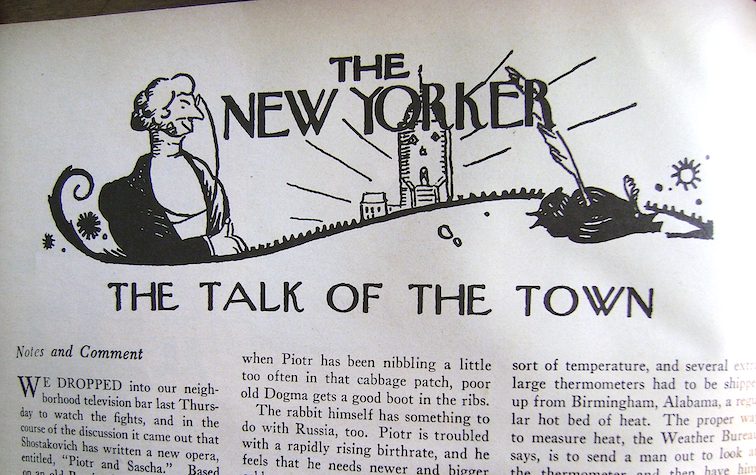
The city’s language has evolved through its history, culture, and people. From the early days of immigration to the present day, New York City’s language has been shaped by the diverse communities that call it home. Understanding and appreciating this unique linguistic landscape is an important part of understanding and appreciating the culture of New York City.
The Evolution of New York City Slang and Vocabulary
New York City’s language has evolved with the changing city’s demographics and cultural influences, including its slang and vocabulary, which have been shaped by its history, culture, and people. From the early days of immigration to the present day, various factors have influenced New York City’s language.
One major influence on New York City’s language is its history as a melting pot of immigrant communities. As waves of immigrants arrived in the city throughout the 19th and 20th centuries, they brought with them their own languages and dialects. These languages and dialects have had a lasting impact on the city’s vocabulary, with words and phrases from languages such as Yiddish, Italian, Spanish, and Chinese becoming part of everyday New York City speech.
Another factor that has shaped New York City’s slang and vocabulary is its vibrant cultural scene. The city has long been a hub for artists, musicians, writers, and performers, who have introduced new words and phrases into the vernacular. From jazz musicians in Harlem to punk rockers in the East Village, New York City’s cultural movements have left their mark on the city’s language.
The Influence of Immigrant Communities on New York City Language
Immigrant communities have played a significant role in shaping New York City’s language. The city’s diverse population has led to the adoption of words and phrases from different languages, creating a unique linguistic landscape.
Throughout its history, New York City has been a destination for immigrants from all over the world. These immigrants brought language, dialects, and cultural traditions, which have impacted the city’s language. For example, Yiddish words such as “schmooze” and “bagel” have become part of everyday New York City speech, while I. In contrast, words like “ciao” and “pizzeria” are commonly used in the city’s vocabulary.
In addition to specific words and phrases, immigrant communities have also influenced how Nhowers speak. The rhythDifferent language intonation and pronunciation differed in the city’s speech patterns, creating a unique blend of accents and dialects. From the distinctive New York City accent to the Spanglish spoken in neighborhoods like Washington Heights, the influence of immigrant communities on the city’s language is evident in everyday conversation.
The Role of Pop Culture in Shaping New York City Vernacular
Pop culture has had a significant impact on New York City’s language. Movies, TV shows, and music have introduced new words and phrases into the city’s vernacular, shaping the way New Yorkers speak.
New York City has long been a center for the entertainment industry, with Broadway theaters, film studios, and recording studios attracting artists from around the world. These artists have not only shaped the cultural landscape of the city but also its language. From iconic catchphrases in movies like “I’m walking here!” from Midnight Cowboy to slang terms popularized by hip-hop artists, pop culture has left its mark on New York City’s vernacular.
One example of the influence of pop culture on New York City’s language is the rise of “Bodega English.” Bodegas, small convenience stores found in the city, have become cultural icons in movies, TV shows, and music. The language spoken in these bodegas, a mix of English and Spanish with its own unique vocabulary and pronunciation, has become part of the city’s vernacular.
The Importance of Regional Dialects in New York City
New York City has several regional dialects, each with its unique features. These dialects are an important part of the city’s linguistic landscape and reflect the diverse communities that call it home.
One of the most well-known regional dialects in New York City is the distinctive New York City accent. This accent is characterized by its pronunciation of certain vowels and consonants, such as the dropping of the “r” sound at the end of words and the pronunciation of “th” as “d” or “t.” The New York City accent is often associated with working-class neighborhoods in the Bronx, Brooklyn, and Queens, but it can be heard throughout the city.
In addition to the New York City accent, there are regional dialects associated with specific immigrant communities. For example, neighborhoods like Chinatown and Little Italy have their own unique dialects influenced by the languages spoken by their residents. These regional dialects reflect the cultural diversity of New York City and are an important part of its linguistic landscape.
The Art of Swearing in the Big Apple
Swearing is a common part of New York City’s language. The city has its own unique way of swearing, with certain words and phrases being more prevalent than others.
New Yorkers are known for their colorful language, and swearing is no exception. From casual conversations to heated arguments, swearing is often used to express frustration, emphasize a point, or simply add to a sentence. The city’s unique swearing style is characterized by using words and phrases such as “fuhgeddaboudit” and “yo.”
One reason for the prevalence of swearing in New York City’s language is its fast-paced and often stressful environment. The city’s crowded streets, busy subways, and high-pressure jobs can lead to a lot of on, usually ex usually through colorful language. Swearing has become a way for New Yorkers to blow off steam and cope with the challenges of city life.
The Use of Idioms and Phrases in New York City Speech
New York City is known for its use of idioms and phrases. These expressions are often used to convey a specific meaning or emotion and are an important part of the city’s linguistic landscape.
Idioms and phrases are a common part of conversations in New York City. From “the Big Apple” to “taking a bite out of crime,” these expressions have become synonymous with the city and are used by both locals and visitors alike.
One reason for the prevalence of idioms and phrases in New York City speech is the city’s rich cultural history. From the early days of immigration to the present day, New York City has been a melting pot of cultures, each with its own unique expressions and sayings. Over time, these expressions have become part of the city’s vernacular, reflecting the diverse communities that call it home.
The Significance of Accent in New York City Communication
New York City’s accent differs from that of other regions of the US. The city’s accent is an important part of its identity and is often used to identify someone as a New Yorker.
The New York City accent is characterized by its pronunciation of certain vowels and consonants. For example, the dropping of the “r” sound at the end of words and the pronunciation of “th” as “d” or “t” are common features of the accent. The accent is often associated with working-class neighborhoods in the Bronx, Brooklyn, and Queens but can be heard throughout the city.
The New York City accent is not only a reflection of the city’s linguistic landscape but also its cultural identity. The accent is often seen as a symbol of toughness, resilience, and authenticity, traits thus allied with being a New Yorker. Whether it’s a taxi driver shouting, “Hey, I’ ‘m walkin’ here!” or a street vendor hawking hot dogs with a thick accent, the New York City accent is an important part of the city’s communication style.
The Impact of Technology on New York City Language
Technology has significantly impacted New York City’s language. Social media and texting have introduced new words and phrases into the city’s vernacular, shaping how Nhowers communicate.
In today’s digital age, technology plays a central role in our daily lives, and language is no exception. Social media platforms like Twitter and Instagram have given rise to new forms of communication, with their uniqucabulary and abbreviations. From hashThesetools have become part of everyday conversation in New York City.
Texting, from hashtags to emojis, has also profoundly impacted New York City’s language. With limited characters and the need for quick communication, texting has given rise to new abbreviations and acronyms used in everyday conversation. Phrases like “LOL” (laugh out loud) and “OMG” (oh my god) have become part of the city’s vernacular, reflecting the influence of technology on language.
Embracing the Vibrant Linguistic Landscape of New York City
New York City’s language is a reflection of its diverse population and rich history. Its Linguistic landscape is unlike any other in the United States. Underst, from its slang and vocabulary to its accents and dialect-sanding and appreciating this unique language is an important part of understanding and appreciating the culture of New York City.
Embracing the vibrant linguistic landscape of New York City means recognizing the contributions of immigrant communities, appreciating the influence of pop culture, and understanding the significance of regional dialects. It means embracing the art of swearing, using idioms and phrases, and recognizing the importance of accent in communication. It also means acknowledging the impact of technology on language and embracing new forms of communication.
In a cityLanguage is a powerful tool for connection and expression ins diverse and dynamic as New York City, languagacing the city’s unique linguistic landscape, we can better understand and appreciate the rich tapestry of cultures that make up this vibrant metropolis. So next time you find yourself in the Big Apple, take a moment to listen to the language around you – you might just do something new.